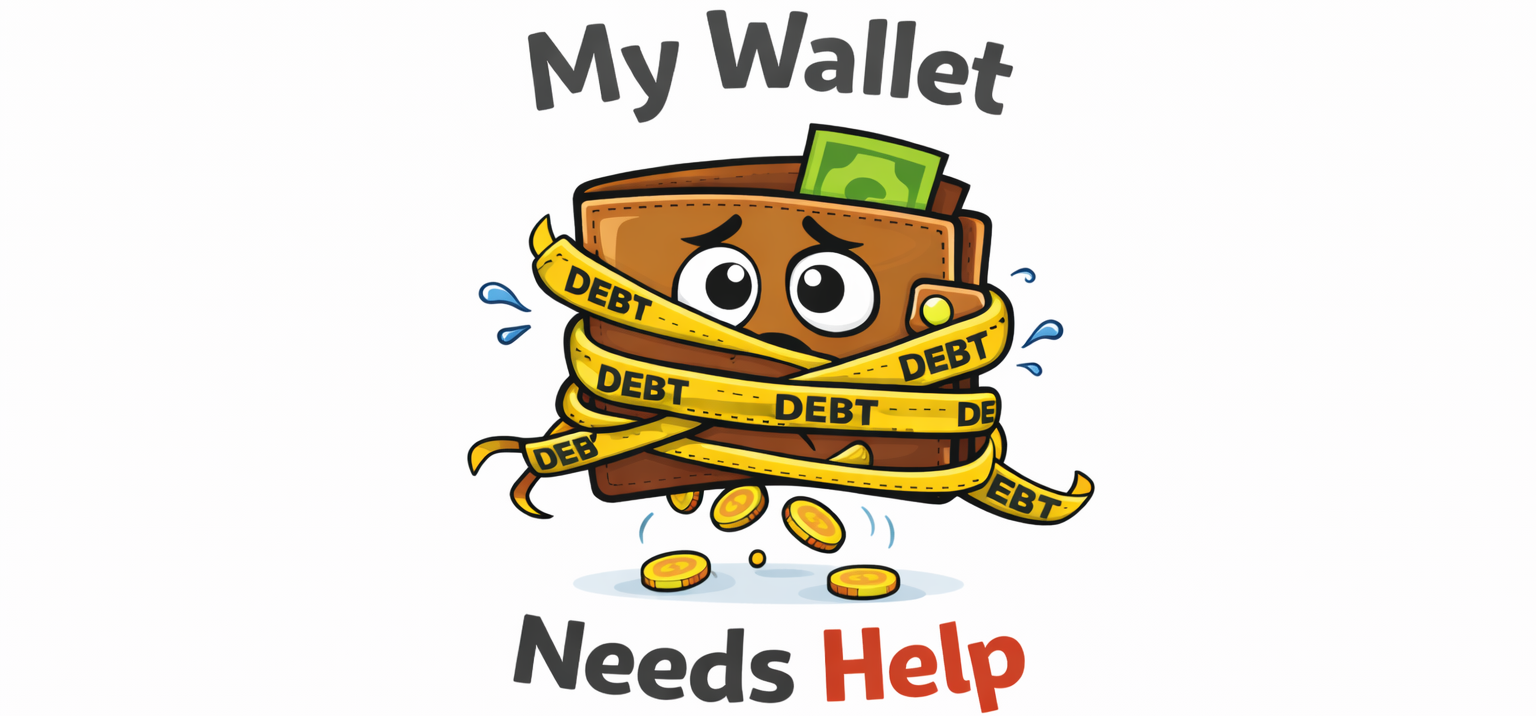
Budgeting while in debt: Simple ways to create clarity without overwhelm
When you’re dealing with debt, budgeting can feel frustrating or even impossible. Many people associate budgeting with strict rules, cutting out everything enjoyable, or tracking every dollar perfectly.
In reality, budgeting while in debt doesn’t have to be complicated or restrictive. At its core, it’s simply a way to understand where your money is going so you can make informed decisions at your own pace.
This article is for educational purposes only and does not provide financial advice.
Why budeting feels especially hard when you’re in debt
Debt adds emotional and mental weight to everyday financial decisions. Budgeting can feel overwhelming for a few common reasons:
- Money already feels “spoken for”
- Bills and minimum payments take priority
- Unexpected expenses create stress
- Advice online can feel unrealistic or judgemental
These challenges are common and understandable. Budgeting isn’t about perfections it’s about visibility and clairty.
What budgeting actually is (and what it isn’t)
What budgeting is
- A way to see income and expenses clearly
- A tool for awarness, not punishment
- A method for identifying patterns over time
What budgeting is not
- A guarantee that debt will disappear quickly
- A strict set of rules you must follow
- A measure of personal discipline or success
For many people, simply understanding their cash flow can reduce stress even before making changes.
If you’re managing multiple balances, you may also want to review strategies for managing multiple debts without feeling overwhelmed.
How budgeting can support debt management
Budgeting doesn’t replace debt strategies, but it can support them by:
- Highlighting which expenses are flexible
- Showing where minimum payments fit into cash flow
- Reducing surprises that lead to missed payments
For people managing multiple debts, budgeting can complement other approaches by providing a clearer financial picture.
When budgeting becomes more useful
Budgeting often becomes more helpful when someone is:
- Exploring was to simplfy finances
- Preparing to compare debt-related options
- Trying to reduce financial stress
- Seeking clarity before making changes
It doesn’t need to be perfect to be useful.
Tools and methods people commonly use
There’s no single “right” way to budget. People often explore different methods, such as:
- Pen-and-paper tracking
- Simple spreadsheets
- Digital budgeting tools or apps
The best method is usually the one that feels easiest to maintain over time.
If you’re new to budgeting, learning the basics first can help you decide whether tools or apps might be useful later.
Understanding how financial decisions affect your credit can also help especially when learning what affects your credit score.
How budgeting fits into bigger financial decisions
Budgeting is one part of a broader financial picture that may also include:
- Credit considerations
- Debt management approaches
- Long-term financial goals
Understanding how these pieces connect can make decision making feel less intimidating.
Moving forward without pressure
Budgeting while in debt doesn’t require strict rules or immediate changes. For many people, simply gaining clarity is a meaningful first step.
If you’re exploring ways to better understand your finances or learn about common debt and financial options, educational resource can help you move forward with confidence and less stress.