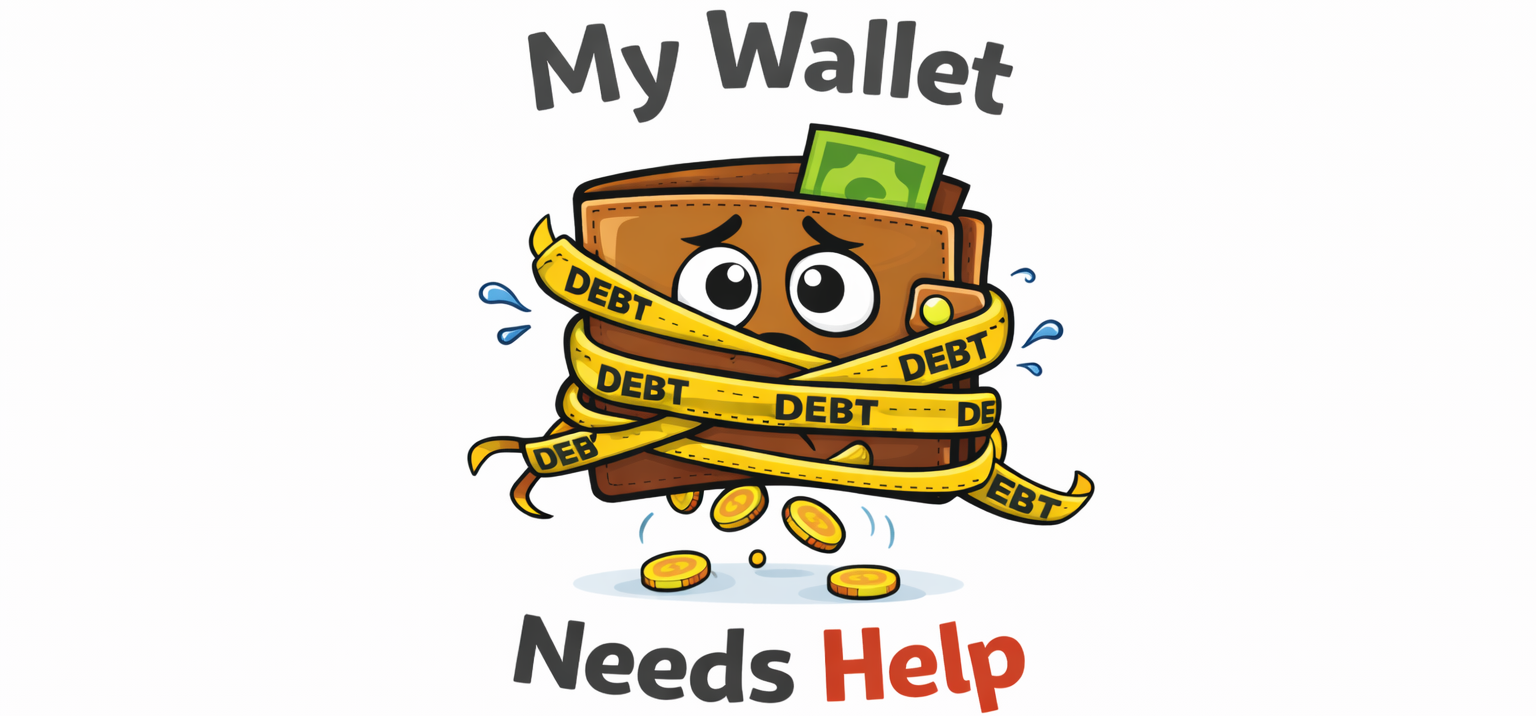
How to manage multiple debts without feeling overwhelmed
Managing more than one debt at the same time can feel exhausting and confusing. Between different balances, interest rates, and due dates, it’s easy to feel stuck or unsure where to start.
This guide explains common ways people approach managing multiple debts, focusing on clarity and understanding rather than quick fixes or promises.
This article is for educational purposes only and does not provide financial advice.
Why Managing multiple debts feels so stressful
Having multiple debts often creates pressure for a few common reasons:
- Different due dates to track each month
- Varying interest rates and balances
- Conflicting advice from different sources
- Emotional stress or guilt tied to finances
These challenges are very common and don’t reflect personal failure. They’re often the result of how financial systems are structured, not a lack of effort or responsibility.
Start with a clear picture of your debts
Before exploring strategies or options, many people find it helpful to first organize thier information.
This might include listing:
- Each debt or account
- Current balances
- Interest rates (if applicable)
- Minimum payments
- Payment due dates
Having everything written down in one place can make a complete situation feel more managable and easier to understand.
If credit information plays a role in your situation, understanding how credit works may also help provide useful context.
Common approaches to managing multiple debts
There isn’t a single method that works for everyone, but people often explore a few general approaches when managing multiple debts.
Prioritizing higher-interest debts
Some people chooses ton focus on debts with higher interest rate first, as these can grow more quickly over time. This approach is often discussed in educational resources as a way to reduce long-term costs.
Focusing on smaller balances first
Others prefer starting with smaller balances. While this may not always reduce interest cost as quickly, some people find that paying off individual accounts provides a sense of progress and motivation.
Consolidating Debts
Debt consolidation typically involves combining multiple debts into a single payment. This can simplify tracking payments, but it may come with its own considerations depending on terms, eligibility, and overall financial circumstances.
Learning how consolidation works and how it differs from other options can help clarify whether it’s something worth researching further.
Budgeting and cash flow awarness
Understanding monthly income and expenses can help identify how much flexibility exists when managing multiple debts. Budgeting doesn’t have to be rigid or restricive; for many people, it’s simply a way to see where money is going.
This awareness can support decision-making, even if no immidiate changes are made.
When Managing debts becomes difficult
For some people, managing multiple debts becomes challening due to factors such as:
- Limited or unstable income
- Unexpected expenses
- Long-term financial strain
- Falling behind on payments despite best efforts
In these situations, learning about broader debt or financial options may help provide clarity around what paths exist and what questions to ask next.
Creating a simple budget can also help you can explore this in our guide on budgeting while in debt.
How credit fits into managing multiple debts
How debts are managed can interact with credit over time, depending on the situation. Understanding what affects credit scores may help people better evaulate how different approches could imapct their overall financial picture.
Credit is only one part of the equation, but having basic knowledge can reduce uncertainty when exploring options.
Moving forward at your own pace
Managing multiple debts doesn’t require immediate decisions or drastic changes. Taking time to understand your situation, learn about common approaches, and explore educational resources can help you move forward with more confidence and less stress.
If you’d like to explore general information about debt and financial options in one place, you can review the resources availble on this site.
- Before organizing your debts, it can help you to understand what a credit score is and how it’s calculated.
- You may also want to review what affects your credit score as you make repayment decisions.
One Comment
Comments are closed.